 2
As part of a wide-ranging update, NASA has booked PROMISE a ride to the lunar south pole. Alongside the nuclear-powered rover, miniCAST will test the utilities needed to keep Moon Base assets working.
The update at Kennedy Space Center’s MAX POWER aerospace expo also introduced six launch and orbital transportation task orders and eight providers eligible for the next generation of Commercial Lunar Payload Services (CLPS) deliveries.
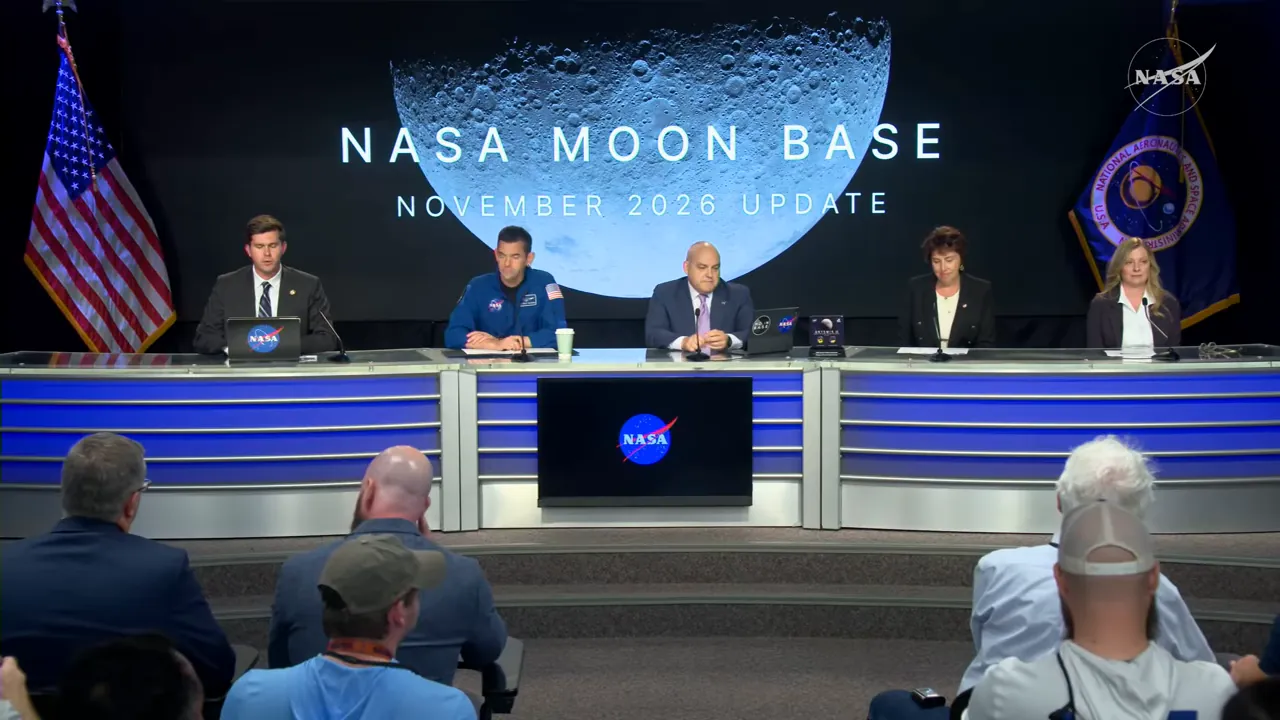
NASA Administrator Jared Isaacman joined Moon Base Program Manager Carlos García-Galán, science chief Nicky Fox, and Dayna Ise, acting director of the program’s Utility and Infrastructure Office, to outline the next steps toward a sustained lunar outpost.
 />
Building on the robotic campaign outlined earlier this year, NASA is moving from individual missions toward an interconnected network of transportation, prospecting, power, and communications capabilities.
Isaacman said NASA is “putting our engineers and technicians alongside theirs, whether they like it or not” to get industry hardware ready for flight. The agency is deploying its workforce across the campaign rather than waiting for commercial partners to deliver finished systems.
PROMISE gets its ride
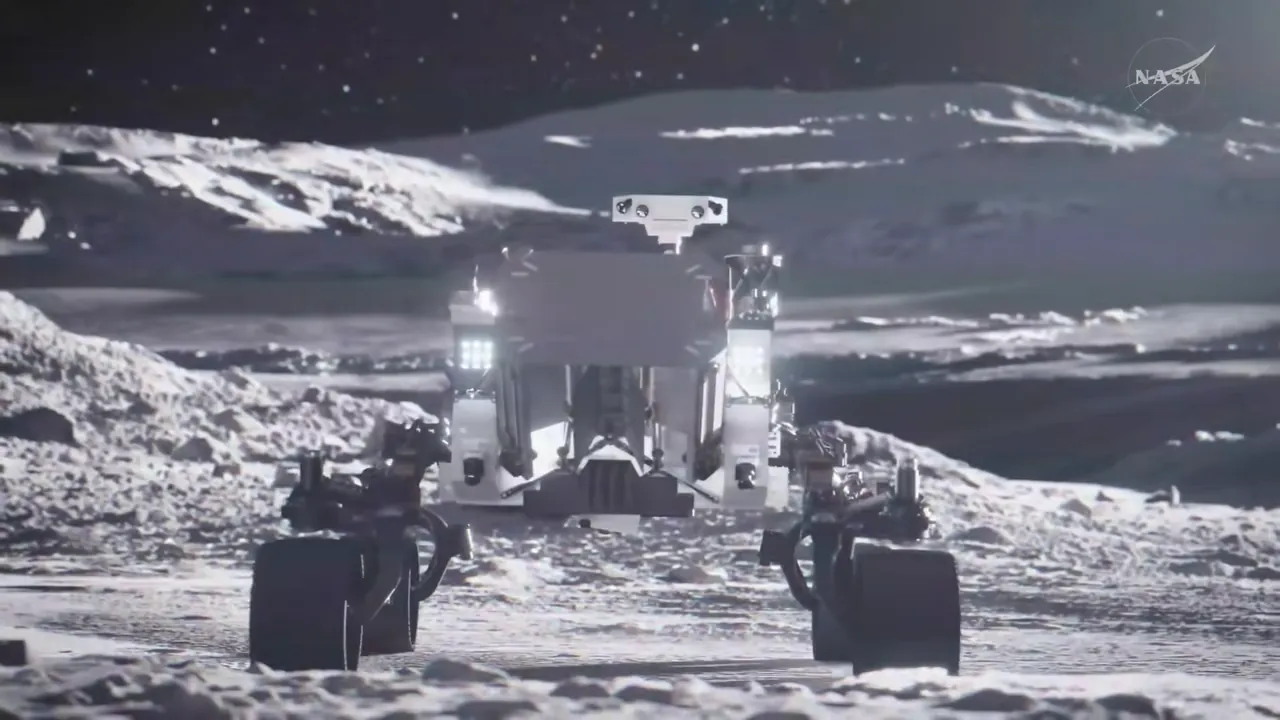
PROMISE, the Polar Rover for Observation, Mapping, and In-Situ Exploration, will fly on Blue Origin’s Blue Moon Mark 1 serial number five. The mission is targeting late 2028, with an 18-month prime mission near the lunar south pole.
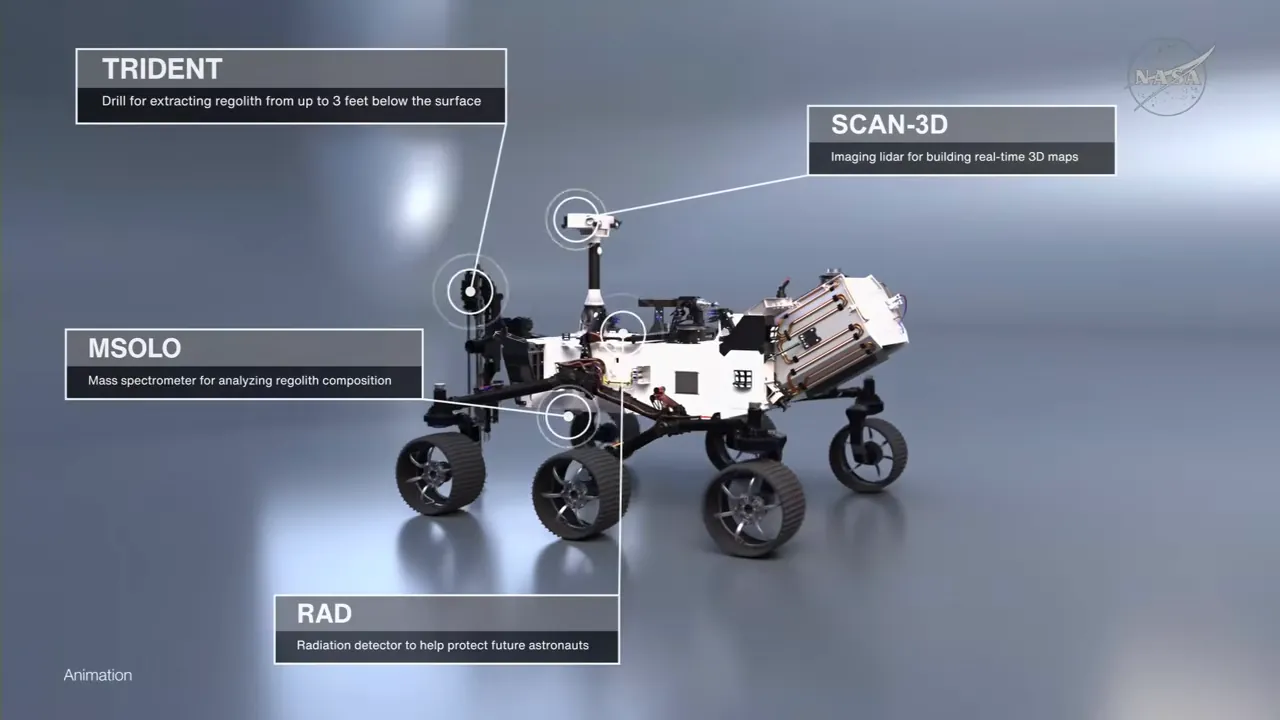 />
PROMISE rover configuration shown during NASA’s Moon Base update. Credit: NASA
The starting point is Curiosity’s Earth-bound vehicle system test bed. JPL calls that rover MAGGIE, short for Mars Automated Giant Gizmo for Integrated Engineering, which has supported terrain-driving and drilling tests before commands were sent to Mars.
However, this is not simply MAGGIE with a new destination. NASA’s mission description identifies its electronics, body structure, and mobility system as the foundation, supplemented by flight spares and test-bed components from both Curiosity and Perseverance.
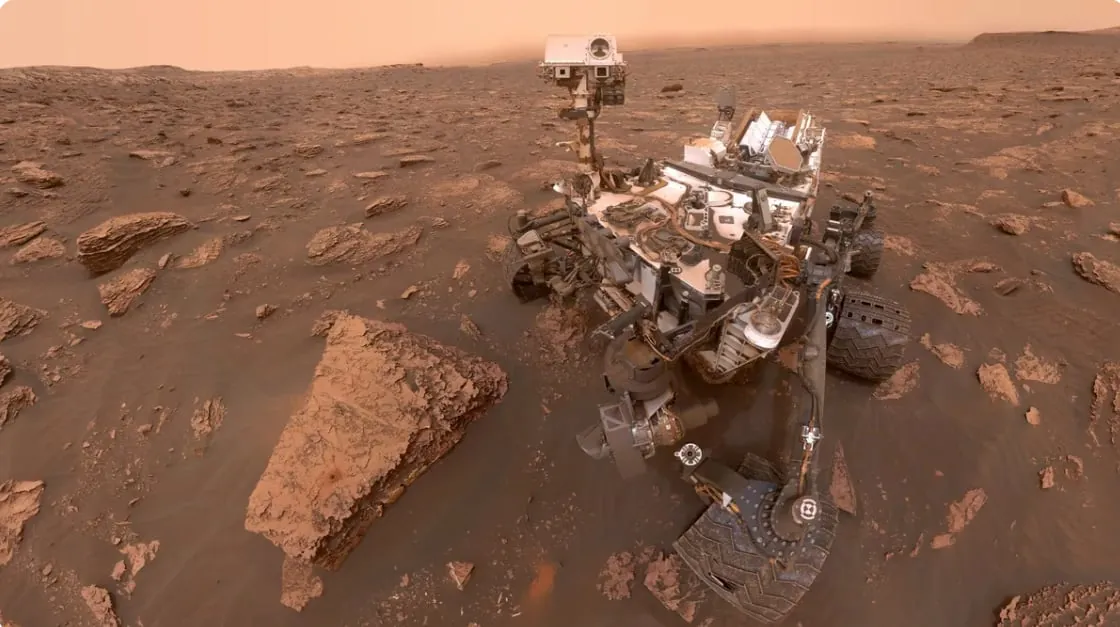 />
Curiosity’s selfie on Mars during the 2018 dust storm. PROMISE builds on the rover’s Earth-bound twin. Credit: NASA/JPL-Caltech/MSSS
Fox said a review concluded Curiosity could continue with low risk. Other ground hardware remains available, including the lightweight Scarecrow mobility test bed, while the team is considering mounting Curiosity’s test-bed arm on a hexapod.
A flight-spare multi-mission radioisotope thermoelectric generator will provide power and heat, allowing PROMISE to survive darkness and investigate permanently shadowed terrain without relying on sunlight.
Panelists described using existing fuel processed for Cassini, with its reduced heat output still suitable for PROMISE.
“And that allows us to survive the night and to probe permanently shadowed regions near the South Pole using technologies that we’ve literally learned with our Mars rovers,” Fox said.
The payload includes copies of VIPER’s TRIDENT drill, MSOLO mass spectrometer, Near-Infrared Volatiles Spectrometer System, and Neutron Spectrometer System. The drill will sample down to one meter, supporting comparisons between different south polar locations explored by the two rovers.
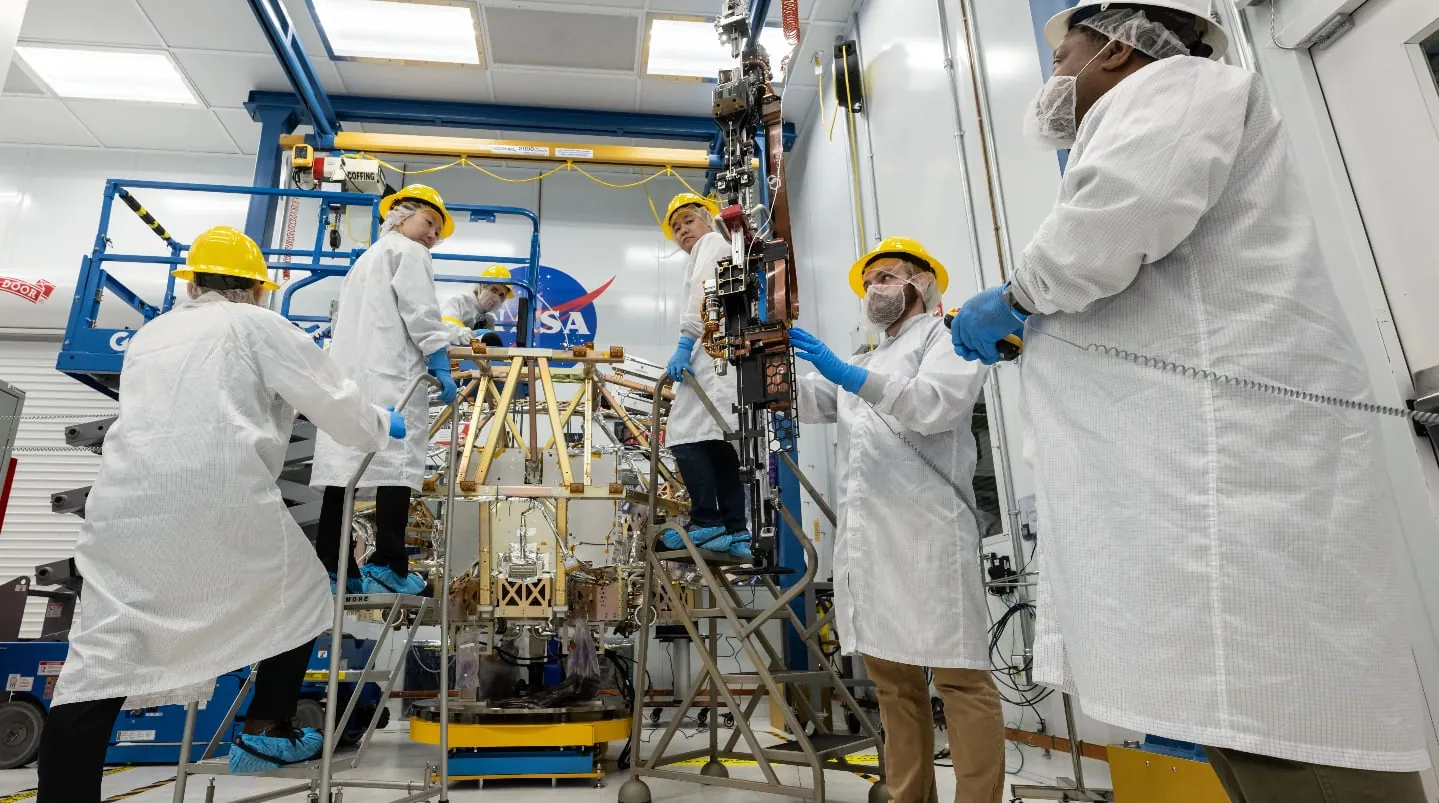 />
Engineers work on lunar rover drill hardware in a NASA clean room. Credit: NASA
Other instruments include the LAFORGE infrared radiometer, Radiation Assessment Detector, laser retroreflector, and Lunar Dashcam. Computing and autonomy demonstrations will test onboard terrain mapping and navigation in darkness, while wheel interactions will reveal the regolith’s mechanical properties.
VIPER itself remains part of that campaign. NASA canceled the project in July 2024, citing cost and schedule growth, but selected Blue Origin in September 2025 for a potential delivery on the second Mark 1, targeting late 2027. The delivery option was conditional on earlier work and the first Mark 1 flight.
“This was a project enabled by the fact that we saw the hardware in the garage,” García-Galán said. He estimated PROMISE would cost below $400 million, including surface delivery. NASA separately announced a $94 million base award to Blue Origin, with a further $140 million performance-based option.
The delivery sequence still depends on Mark 1 proving itself. Following Endurance’s environmental testing, NASA’s August update reported the first lander fully assembled, with communications checkouts completed and cryogenic propellant-loading tests ahead.
miniCAST starts connecting the surface
The Mini-Communications and Solar Tower, or miniCAST, combines services that isolated lunar payloads cannot provide for one another: power generation, storage, wireless charging, and communications. Marshall Space Flight Center will integrate and test the industry-supplied components.
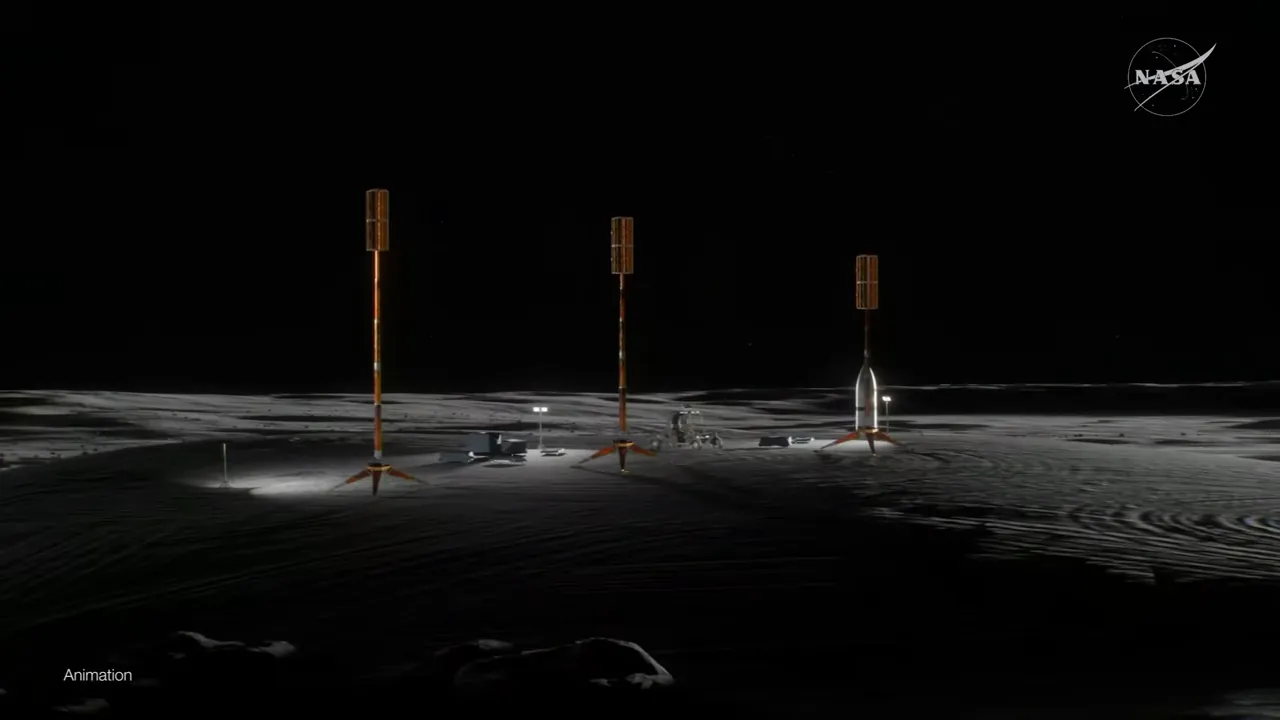 />
Illustration of a lunar solar tower network shown during NASA’s Moon Base update. Credit: NASA
NASA selected Honeybee Robotics for energy storage, Redwire for power generation, and Yank Technologies for wireless power transfer. Ise described rovers using tower communications to navigate toward a power source and recharge through an induction plate on the surface.
Honeybee’s background includes LUNARSABER, a separate deployable-tower concept combining solar power, storage, communications, and navigation. Its proposed mast exceeds 100 meters, but that is not a stated miniCAST specification.
Redwire has developed Roll-Out Solar Arrays for lunar vertical-array applications, building on flight heritage from the International Space Station and DART. Yank’s recent NASA-funded wireless-power work targets kilowatt-class transfer without exposed electrical contacts vulnerable to regolith contamination.
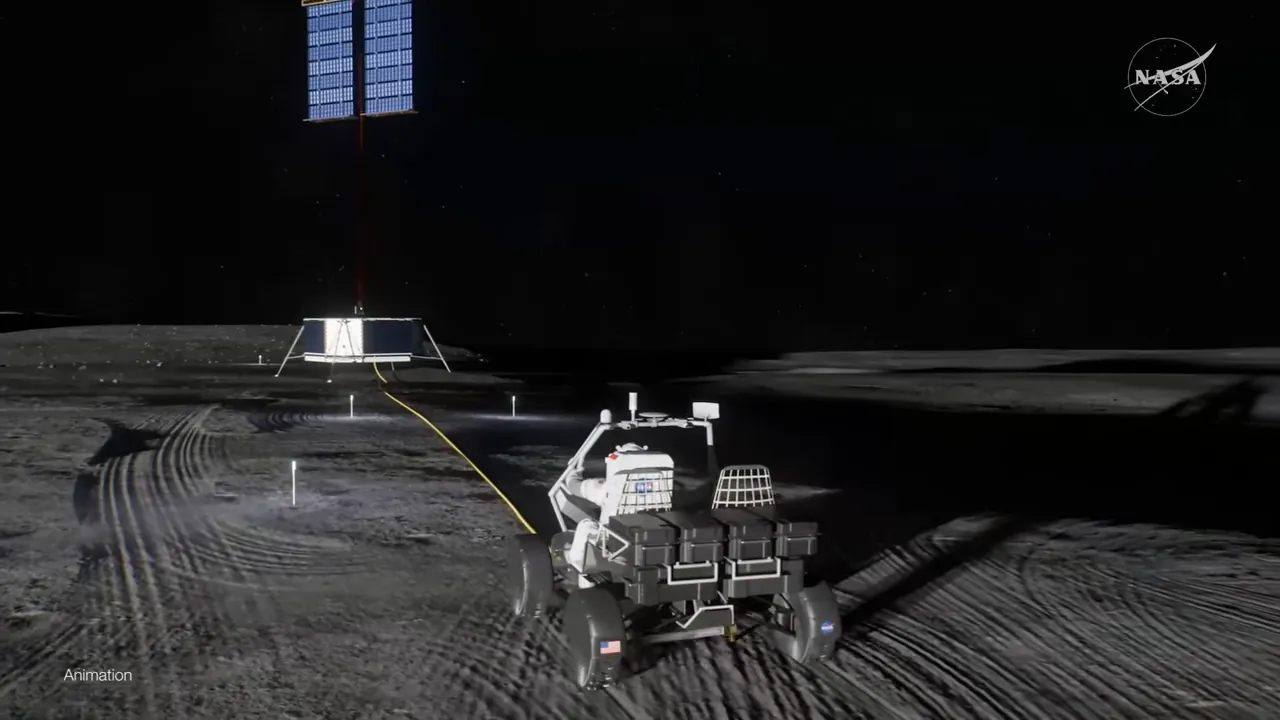 />
A rover approaches surface power infrastructure in a miniCAST concept. Credit: NASA
Those projects establish relevant experience, not confirmation of miniCAST’s final hardware configuration. NASA says the initial awards cover components, with a separate solicitation for fully integrated power systems anticipated in early 2027.
“We have to do all that with almost no human interaction, right?” Ise said of recreating terrestrial infrastructure on the Moon, highlighting the dependence on automation and robotics.
Other things announced
The six Venture-Class Acquisition of Dedicated and Rideshare (VADR) task orders total approximately $1.3 billion.
BIG @NASA Moon Base Update
New Missions:– CAPSTONE2 on a @QuantumSpace_US tug on a @SpaceX Falcon 9– @Int_Machines Comms sats on an @GoToImpulse tug on a @SpaceX Falcon 9– @NASAJPL Moonfall drones on a @FireflySpace Elytra tug on a @BlueOrigin New Glenn– Comms sats on a… pic.twitter.com/Ul7RfUv912
— Ryan Caton (@dpoddolphinpro) November 7, 2026
The combinations outlined were:
CAPSTONE 2: Two spacecraft on Quantum Space’s Ranger and Falcon 9.
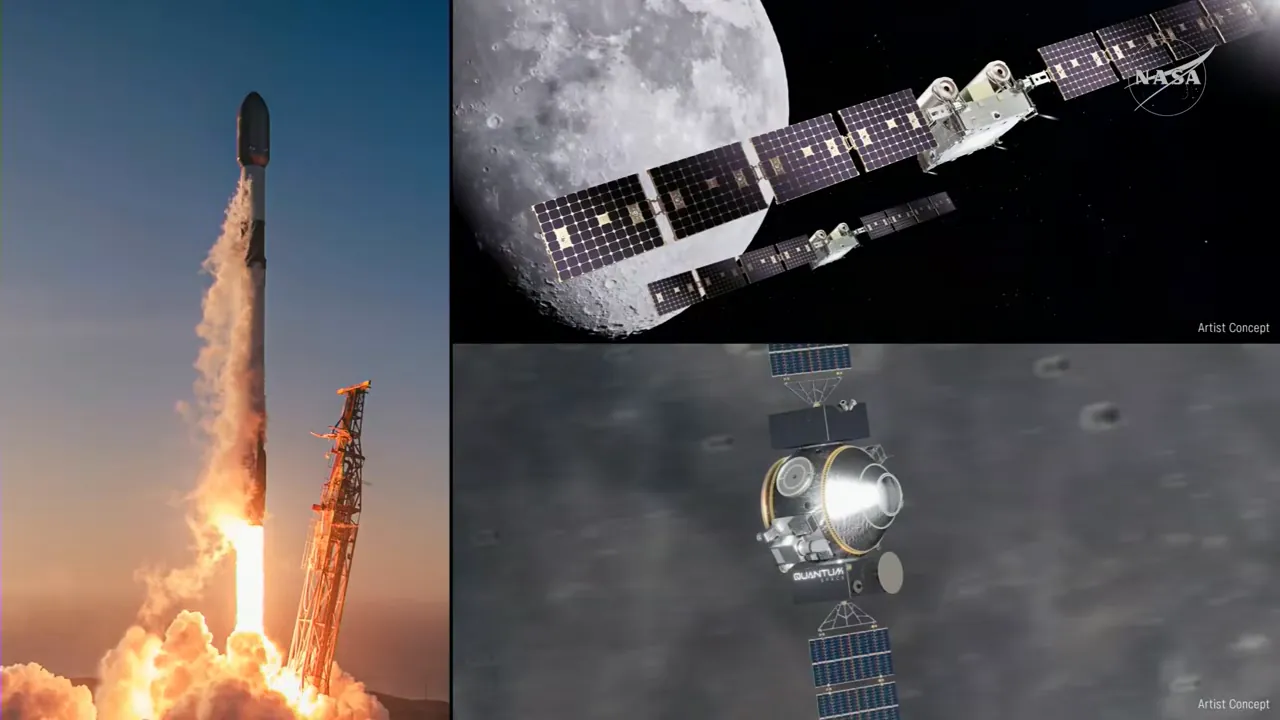 />
CAPSTONE 2 will ride Quantum Space’s Ranger on a Falcon 9. Credit: NASA
Intuitive Machines communications satellites: An Impulse Space-procured Falcon 9, although NASA may not need a tug.
MoonFall: Three JPL hopping drones on Firefly’s Elytra and New Glenn.
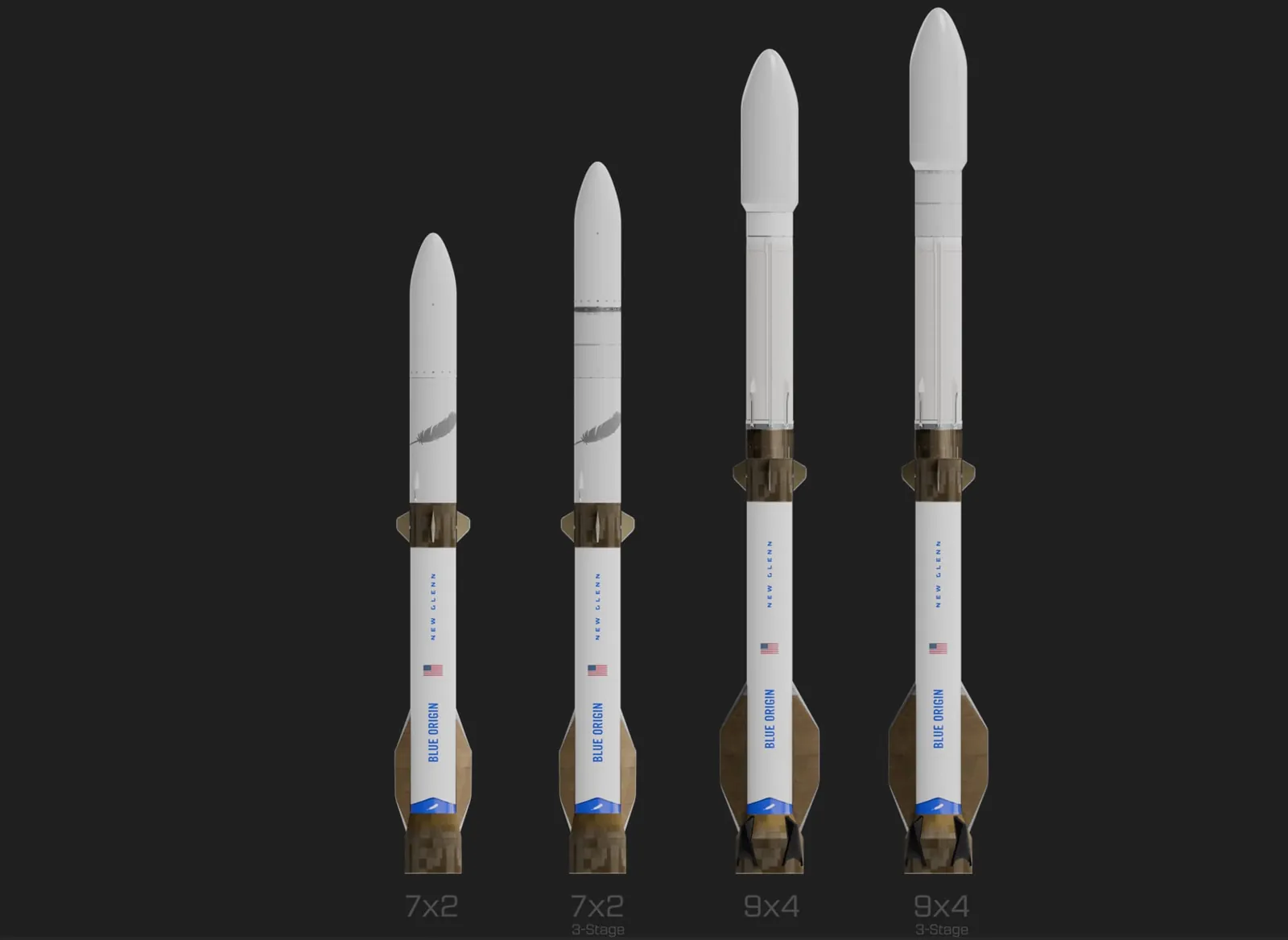
Blue Ring/New Glenn: One of two transportation orders, with its primary NASA payload still being matched.
Blue Ring/New Glenn: The other order in the pair. One of these missions will also carry a communications demonstration.
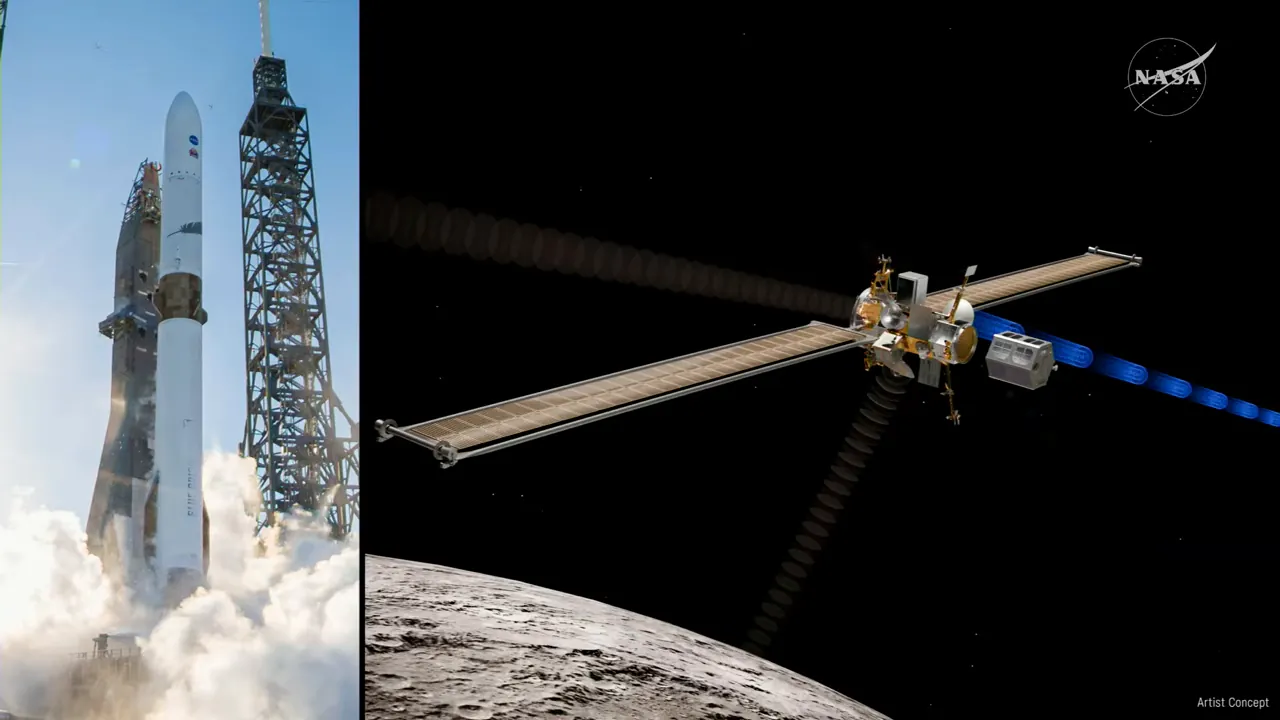 />
Two VADR orders pair Blue Origin’s Blue Ring with New Glenn. Credit: NASA
Impulse Helios/Terran R: A high-risk lunar-landing demonstration whose payload has not been selected.
Separately from VADR, SpaceX will demonstrate long-range communications using Starlink satellites deployed by Starship. NASA stressed that this is a demonstration, not permanent infrastructure.
The eight CLPS 2.0 providers are Blue Origin, Firefly Aerospace, Intuitive Machines, ispace U.S., Lockheed Martin, Northrop Grumman, SpaceX, and Voyager Technologies. Their selection makes them eligible to compete for deliveries, rather than awarding each a specific mission.
ArtemisMoonNASA 0 FacebookTwitterPinterestEmail previous article NASA announces search for new astronauts />
 />