 1
NASA Administrator Jared Isaacman has further explained the decision to standardize the Space Launch System (SLS), move toward a stretched Centaur V upper stage, and stop work on Mobile Launcher 2 (ML-2), linking those choices to higher flight rates and lower costs.
Speaking on NSF’s The Flame Trench show, Isaacman said industry’s responses to NASA’s search for future commercial lunar transportation pointed to the 2030s, rather than an immediate replacement for the existing system.
His explanation built on NASA’s previously announced decision to abandon SLS Block 1B and its Exploration Upper Stage (EUS). The emphasis was on improving the hardware and operations available now while preparing for a later transition.
“There are a lot of ways to shake the $4 billion disposable rocket label that SLS has carried and one of which is launch more frequently,” Isaacman said.
“There is nothing about pushing it off into next year that makes anything cost less,” he added.
Centaur V and a standardized SLS
Artemis IV was previously intended to introduce Block 1B and EUS. NASA instead moved toward a near-Block 1 configuration using Centaur V, avoiding continued development of an upper stage dedicated to SLS.
Centaur V is already in production for United Launch Alliance’s Vulcan rocket. It first flew on Vulcan’s Cert-1 mission in January 2024, while the broader Centaur family provides decades of flight heritage.
However, the stretched version planned for NASA remains in development. Isaacman said NASA originally intended to use the existing Centaur configuration, but pursued the higher-performance version as part of efforts to move Orion closer to the Moon and simplify the landers’ task.
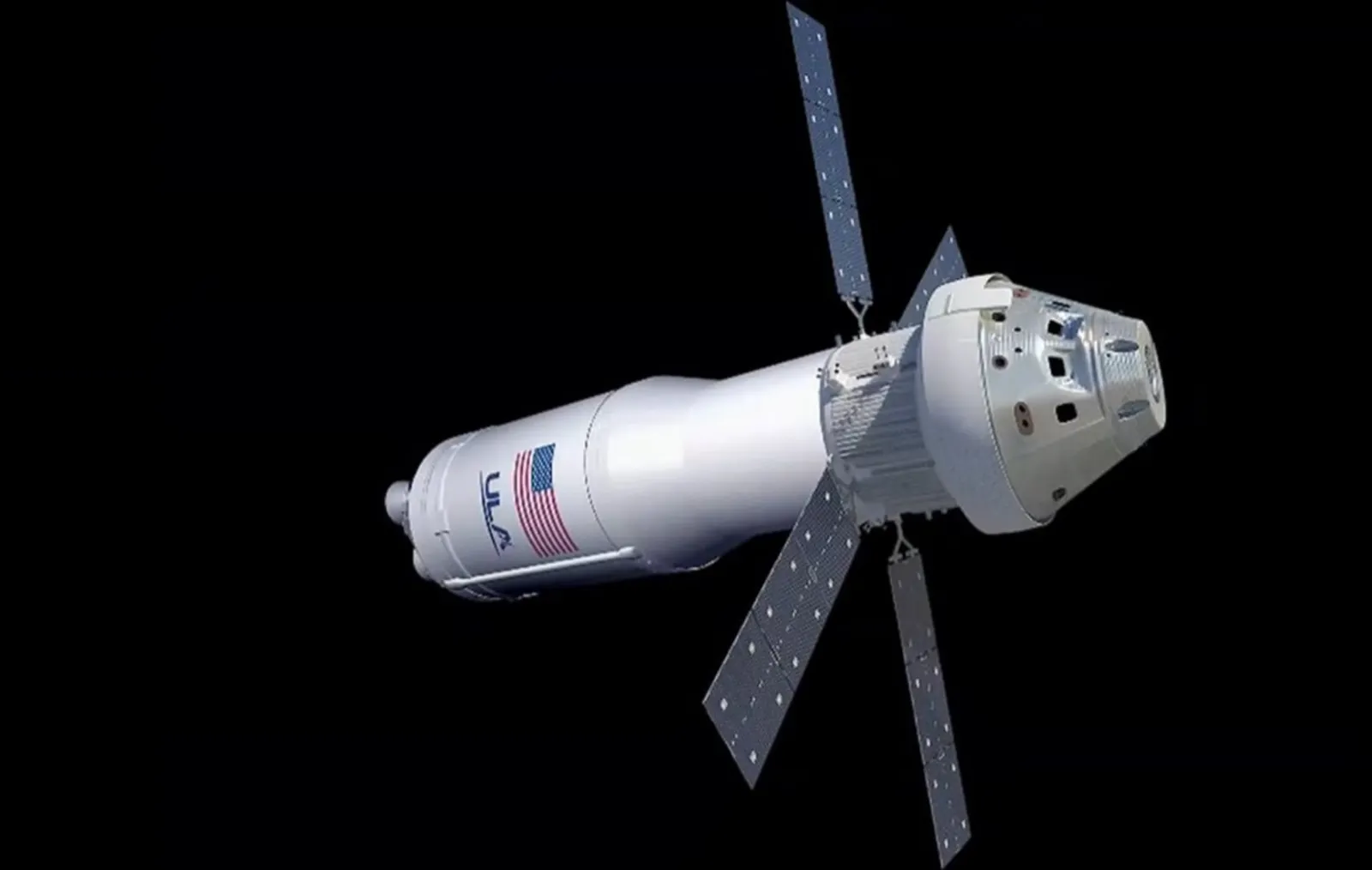 />
Orion with the Centaur V – Credit: NASA
Isaacman also expects the stretched stage to fly on Vulcan for Department of Defense missions, not just on SLS.
He said material testing was progressing, with NASA and ULA carrying out development activities in parallel where practical. NASA was also helping address production constraints by finding personnel and equipment across its centers.
The first mission to use the new stage remains undecided. As NSF reported following NASA’s October update, Artemis III’s revised low-Earth-orbit mission will not need an upper stage, leaving the final Interim Cryogenic Propulsion Stage (ICPS) available for Artemis IV.
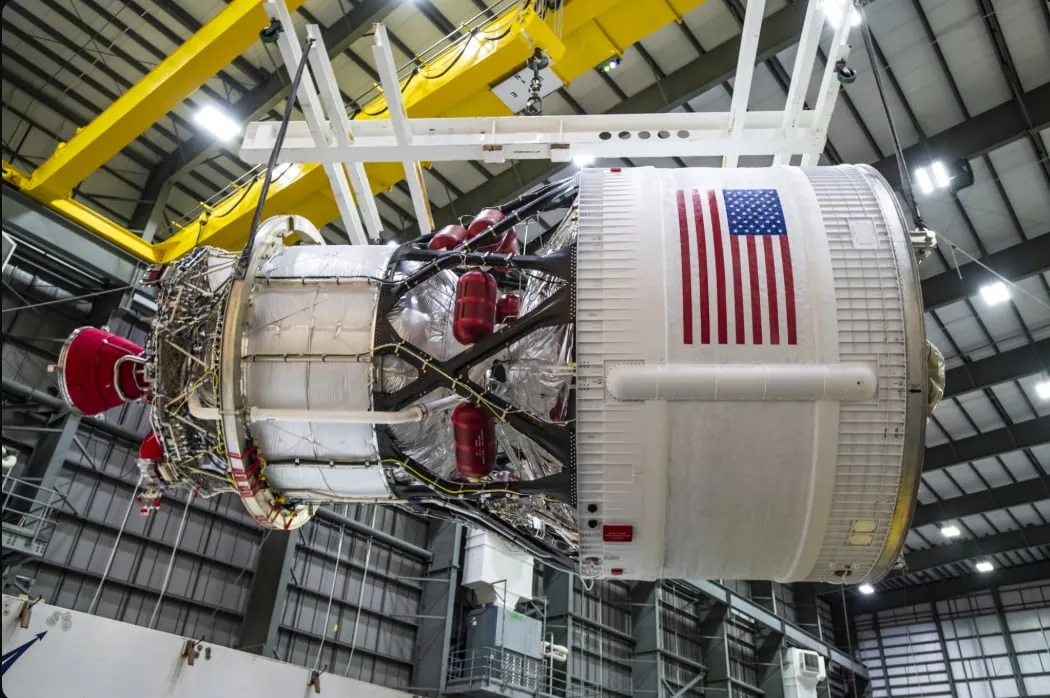 />
ICPS ahead of integration – Credit: ULA
NASA’s November 4 update confirms that both ICPS and a stretched Centaur V remain options for Artemis IV.
Isaacman said modifications to Mobile Launcher 1 (ML-1) were being designed and hardware ordered. Work that would not affect Artemis III could proceed in parallel, while changes that would remove the ability to fly ICPS would be deferred as long as practical.
ML-2: largely built, but years from ready
Isaacman acknowledged the disappointment over stopping ML-2, but said its visible progress did not mean it was close to operational readiness.
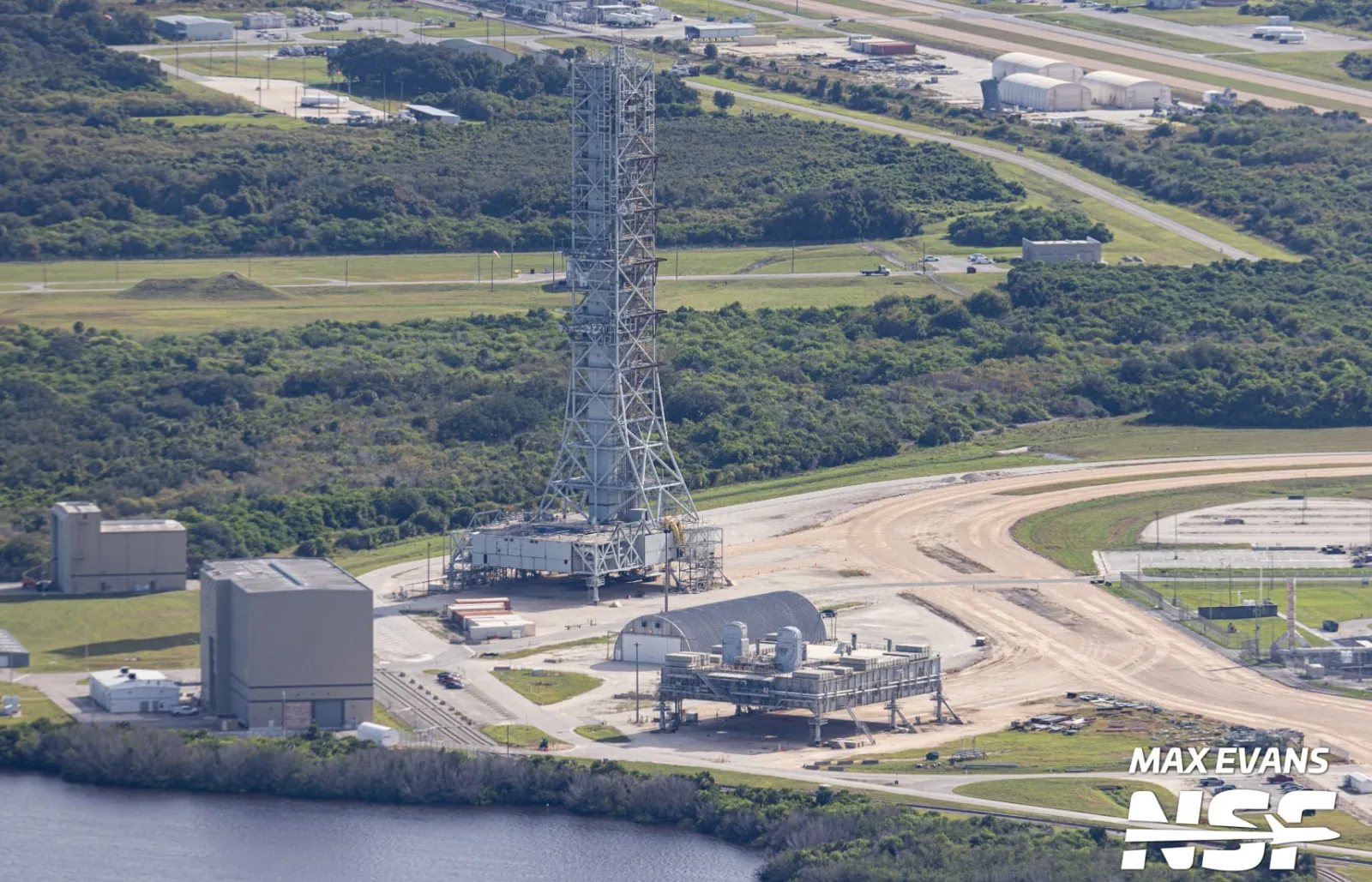 />
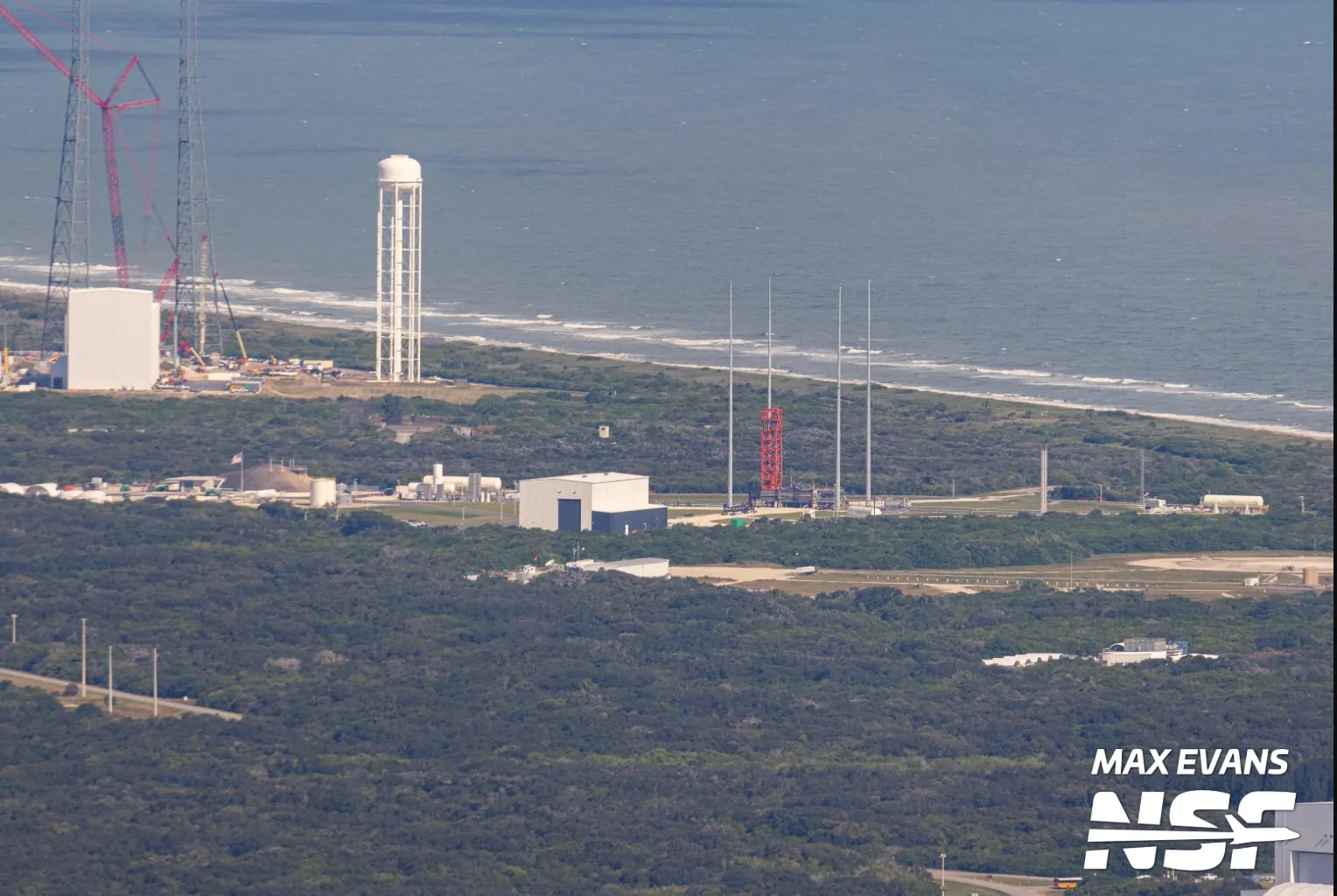
ML-2 at KSC via the latest NSF Flyover this month – Credit: Max Evans for NSF
“If you’re going to launch even on an eight-month cadence, you do not need the second mobile launcher. I know that’s heartbreaking for some out there and believe me that was nowhere near as ready as people believe it to be,” he said.
NSF’s earlier coverage of the final tower module also distinguished construction milestones from the additional work needed to prepare the launcher for flight operations.
Isaacman said NASA should instead concentrate on getting very good at operating a single mobile launcher.
Work on ML-2 has stopped. The partly built structure remains outside for now, but NSF understands it will eventually be moved into the Vehicle Assembly Building (VAB).
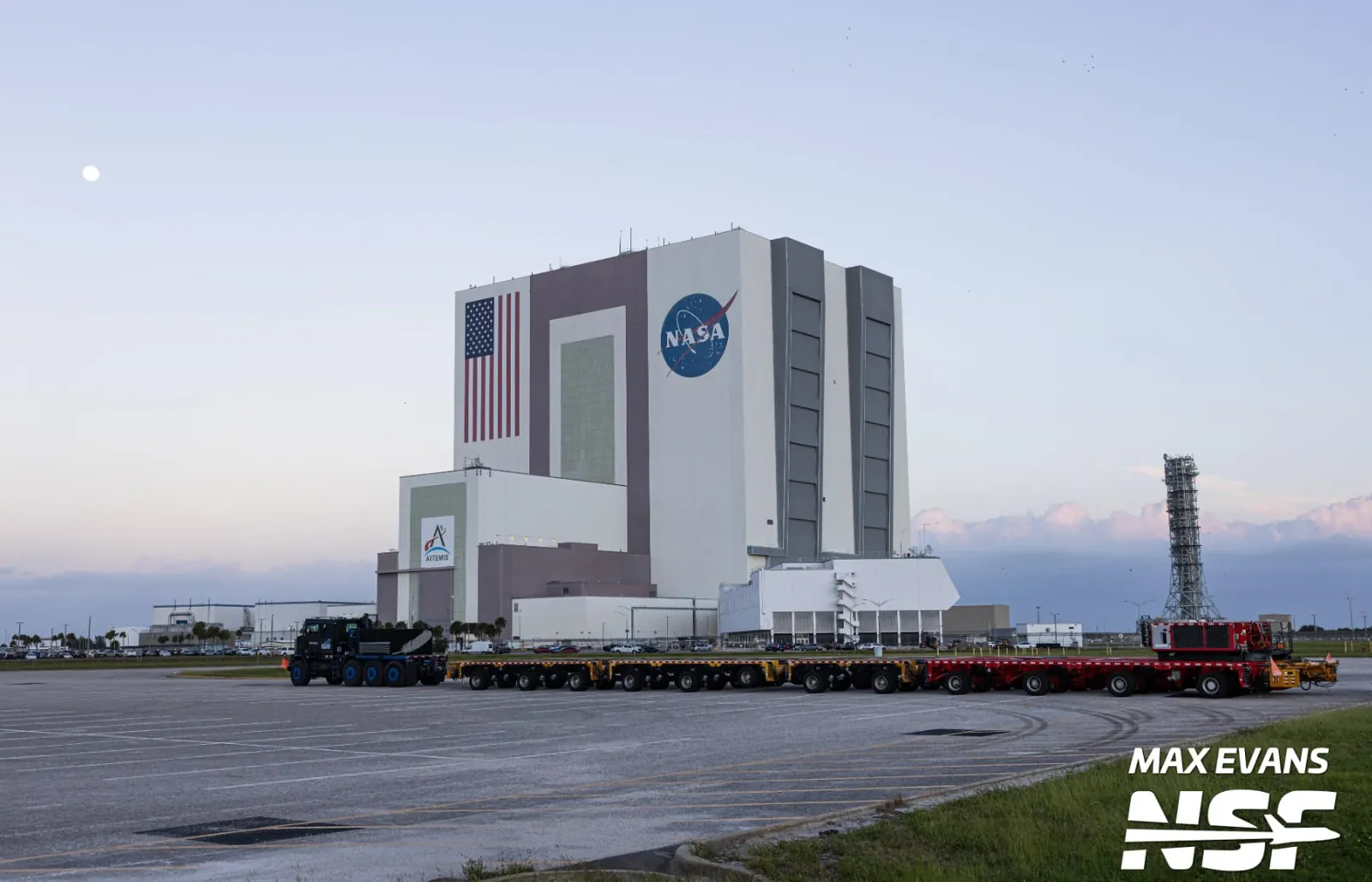 />
ML-2 near the VAB – Credit: Max Evans for NSF
“We’ve been using parts for it,” Isaacman said when asked about ML-2.
He added that some of its components, along with hardware from the canceled EUS, had been provided as government-furnished equipment to help Blue Origin with its pad rebuild and landers.
NASA is also using the hardware to give younger engineers and technicians hands-on experience before they move on to other parts of the lunar architecture.
Although he did not rule out using ML-2 again, he described that prospect as highly unlikely.
Cadence and competition beyond Artemis V
NASA’s goal remains to fly crews at least once a year, ideally with less than 12 months between missions. Isaacman said improving production and ground operations would also preserve the possibility of two launches in 2028.
He linked the work to rebuilding NASA’s operational experience, including the skills needed for more complex missions involving Orion, transfer stages, and a lunar base.
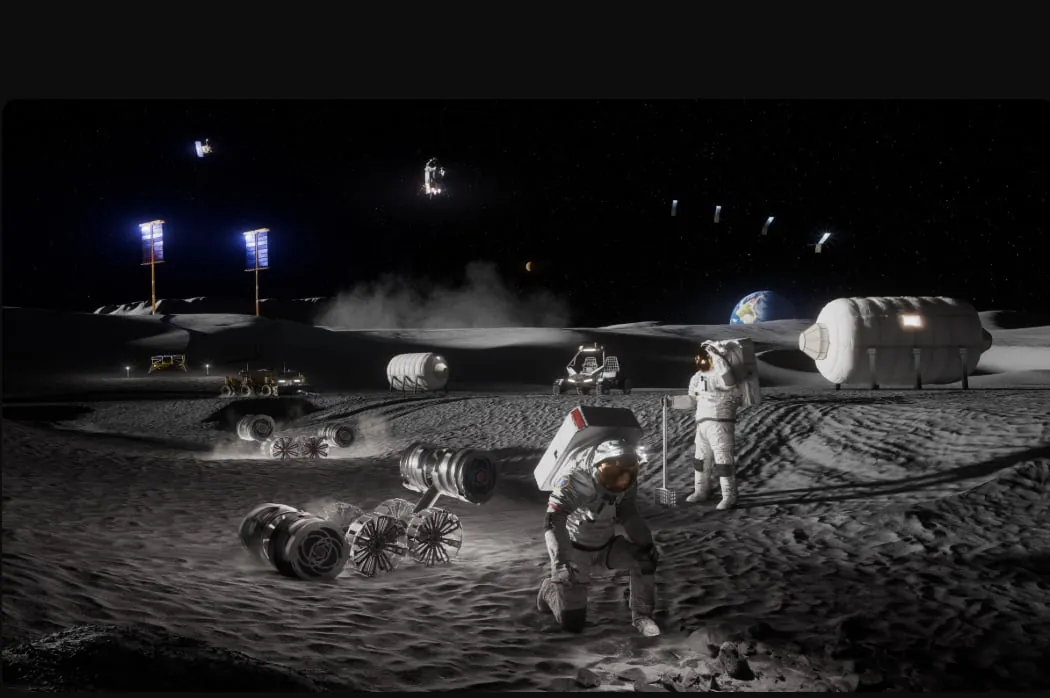 />
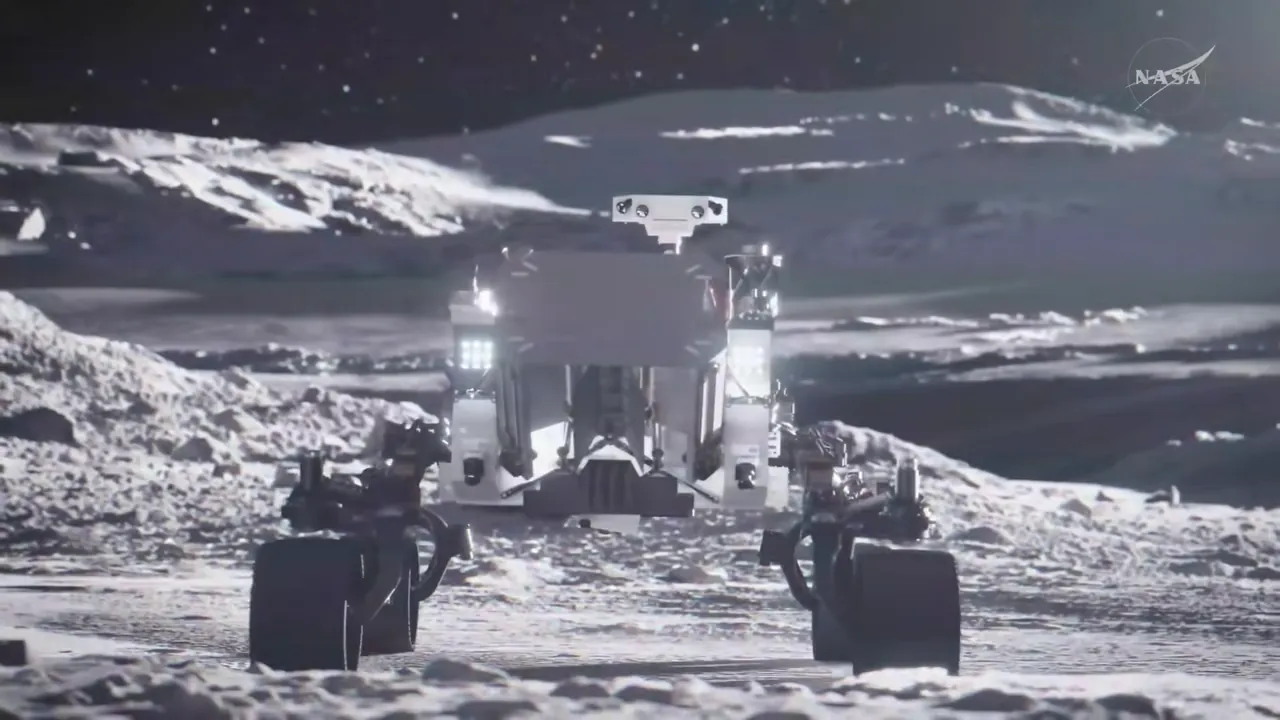
NASA’s Moon Base Plan – Credit: NASA
NASA’s request for information (RFI) on commercial lunar transportation sought industry input on future systems supporting a sustained lunar presence. The RFI was issued in March, with responses due in April, and was not a contract award.
The longer-term objective is two transportation pathways supporting crewed lunar missions every six months. In the interview, Isaacman said industry’s responses did not offer an end-to-end solution for 2028 or 2029.
He did not describe the eventual transition as an abrupt replacement of the current architecture. Orion, he said, was likely to remain part of it into the 2030s, potentially using other launch vehicles and transfer stages.
For now, NASA is continuing preparations for Artemis III while developing the upper-stage and ground-system changes needed for subsequent lunar missions.
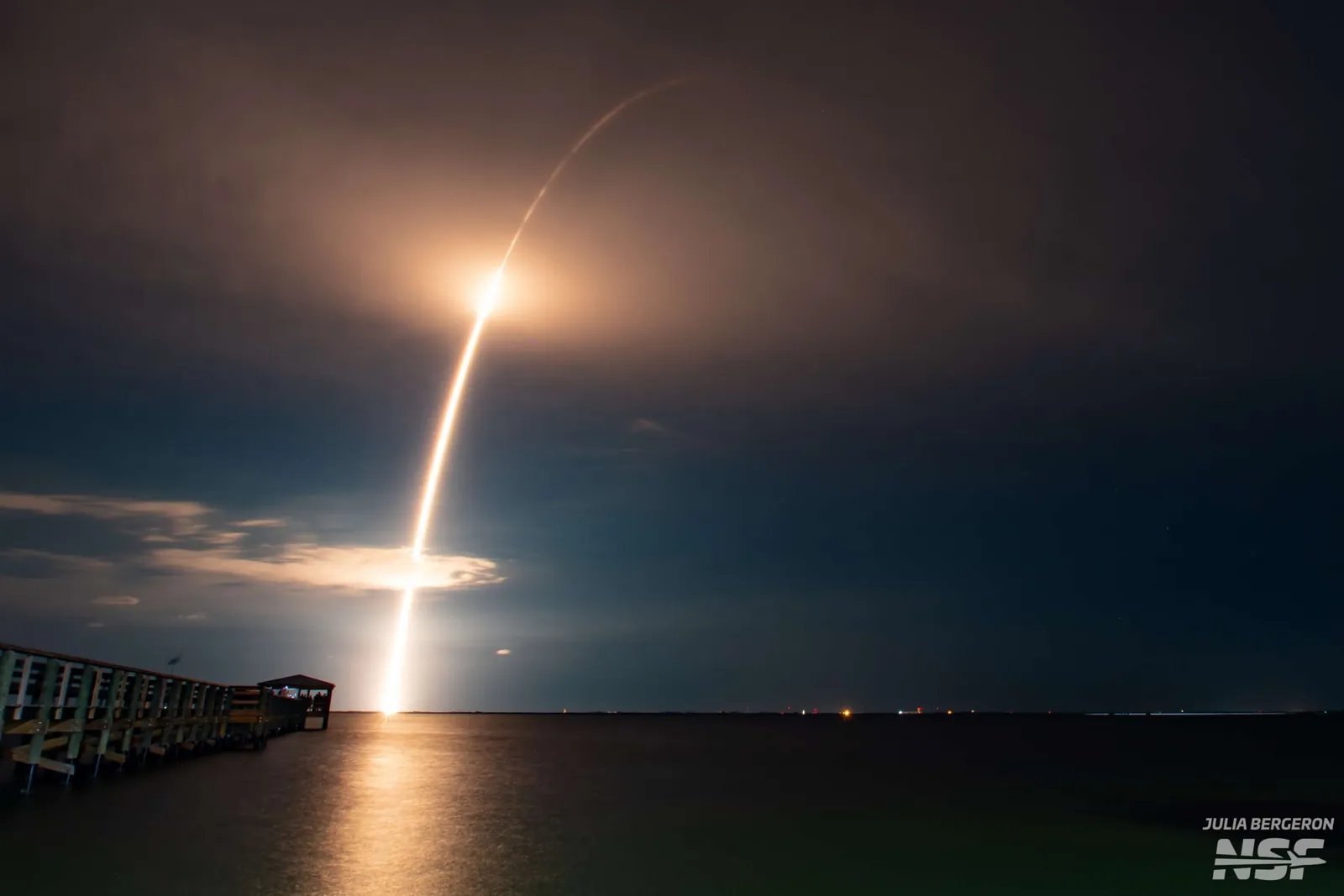
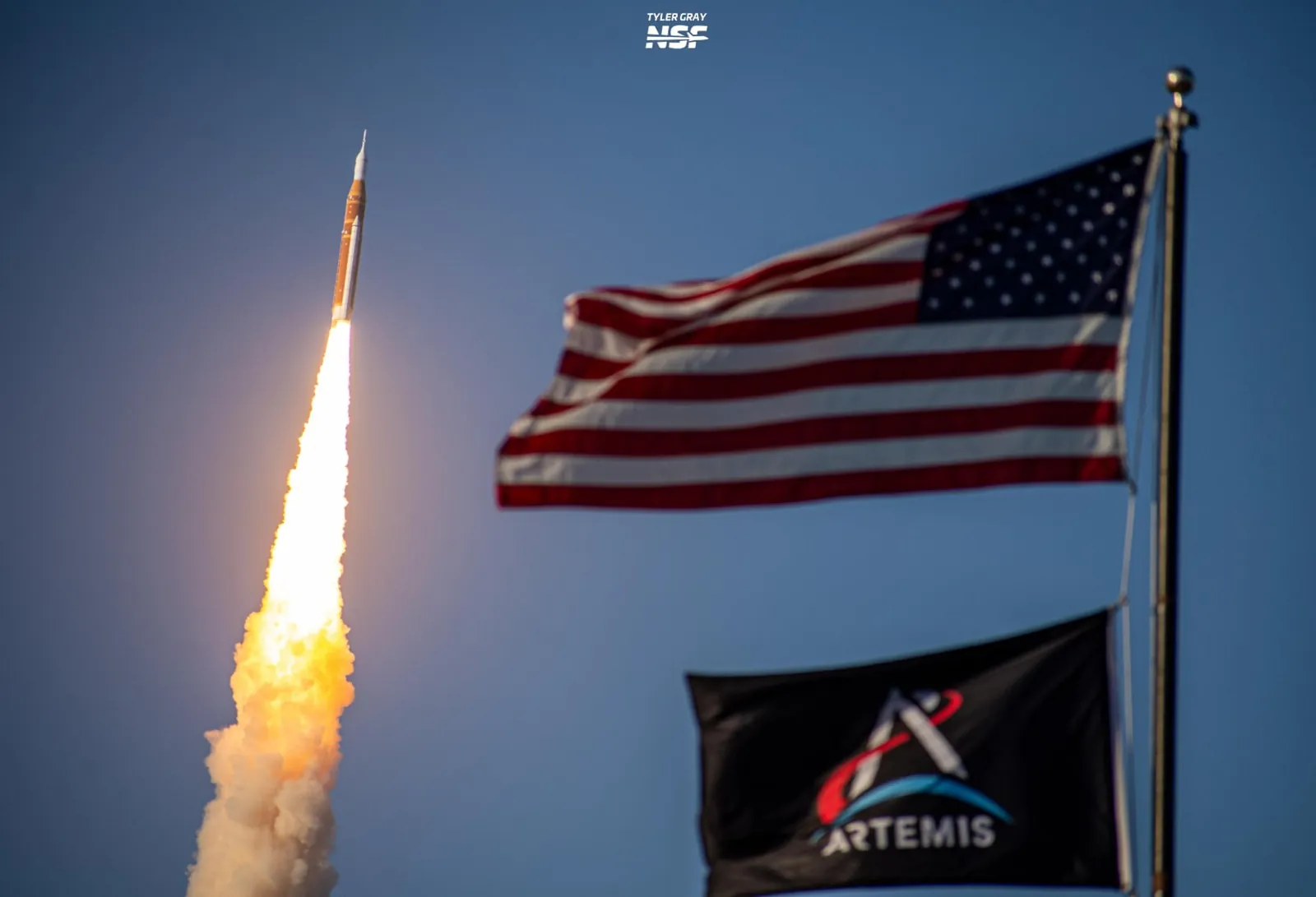
(Lead Image: Artemis II launch – Credit: Tyler Gray for NSF).
ML-2OrionSLS 0 FacebookTwitterPinterestEmail previous article Launch Preview: Starship, Vulcan, and Electron launches scheduled for busy week />
 />